4 min to read
Chasing Carbon in Covasna: My First Steps into Research
Chasing Carbon in Covasna

Before this field trip, I had never really considered doing research myself or thinking of myself as a kind of “mini scientist.” That started to change after I saw a post online saying that scientists often seem mysterious from the outside, but once you actually speak with one, you realise that they want to tell you everything they know about their field.
At first, I thought it was just a funny observation, however after spending time in the field with researchers, I realised how true it was. The more questions I asked, the more explanations I received. A simple question about a gas measurement could easily turn into a discussion about volcanoes, tectonics, carbon isotopes or how gases move through the Earth. Science suddenly felt much less distant and much more real.
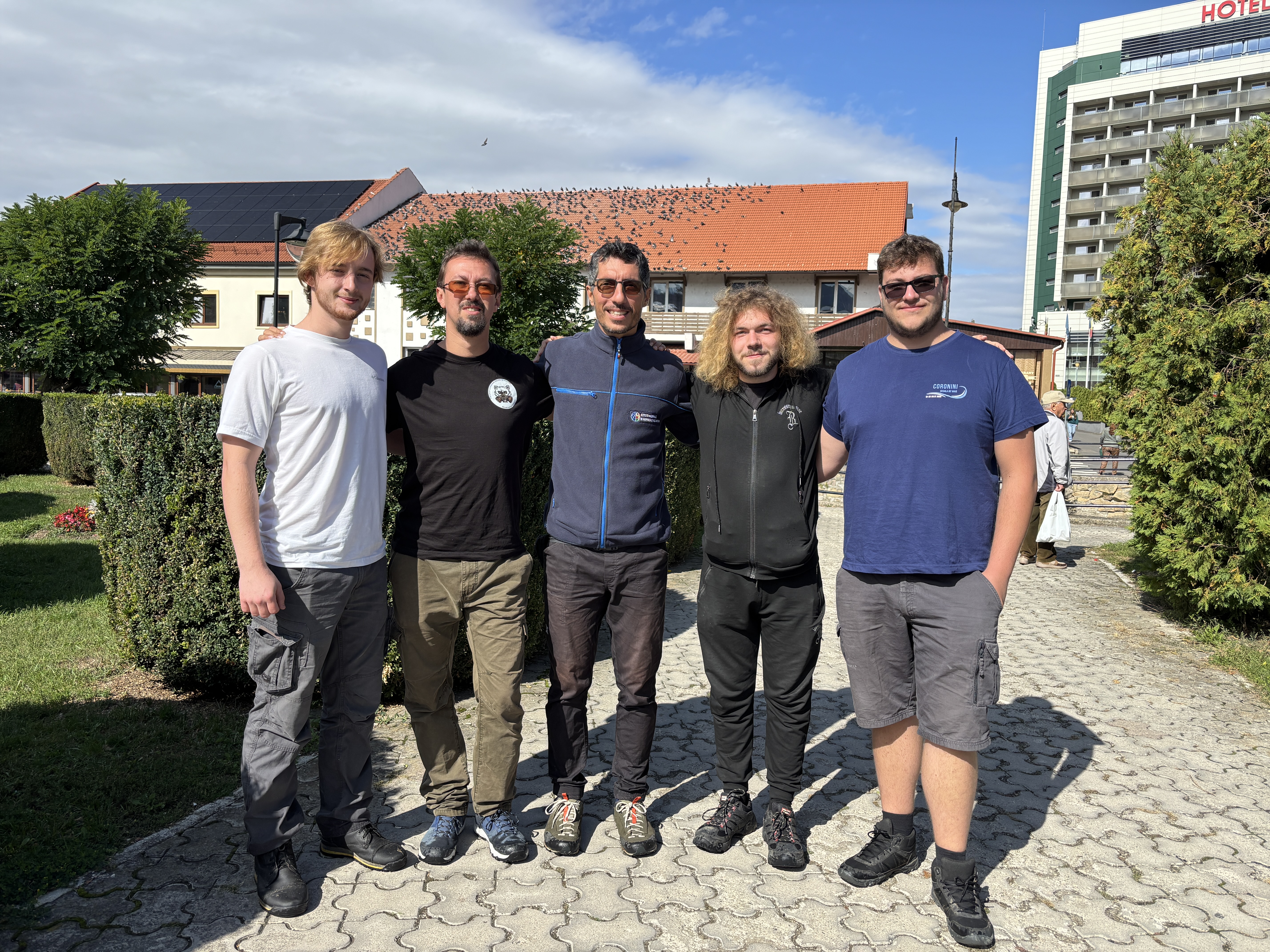
During the Covasna field campaign, I had the opportunity to work with the team and with our collaborator, Dr. Giancarlo Tamburello from INGV Bologna. Together, we investigated natural carbon dioxide emissions in Covasna, one of the most interesting areas of the Eastern Carpathians for studying geogenic gases.
Before the fieldwork, I had heard about mofettas, but working around them gave me a completely different understanding of what they are. Mofettas are natural places where CO₂-rich gases rise from the Earth’s interior, making them natural laboratories for studying how deep gases migrate toward the surface.
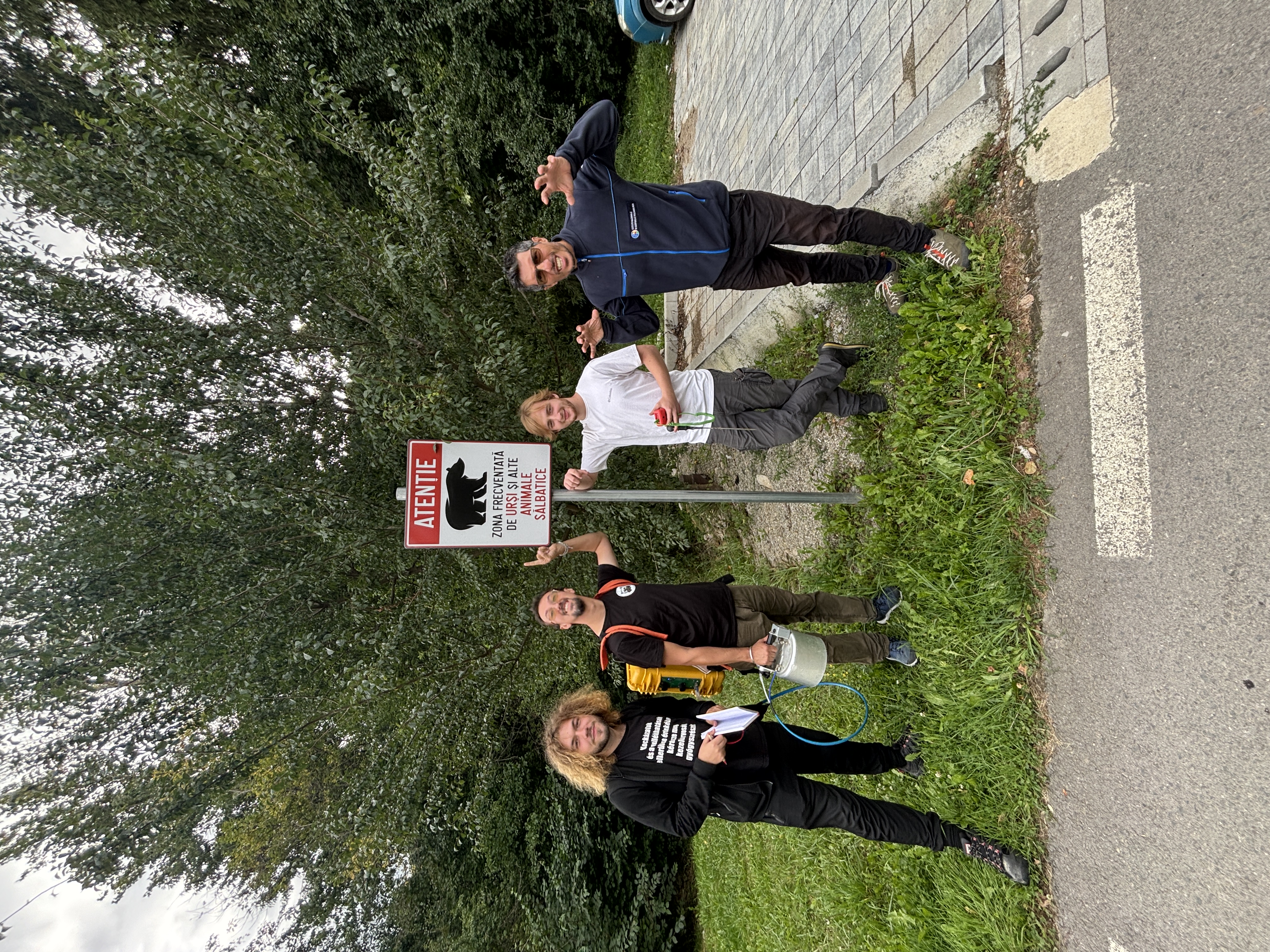
One of the main things I learned was how we measure CO₂ escaping from the soil. We used an accumulation chamber, placed directly on the ground, to measure how quickly CO₂ builds up inside it and using this to calculate the gas flux of an area.
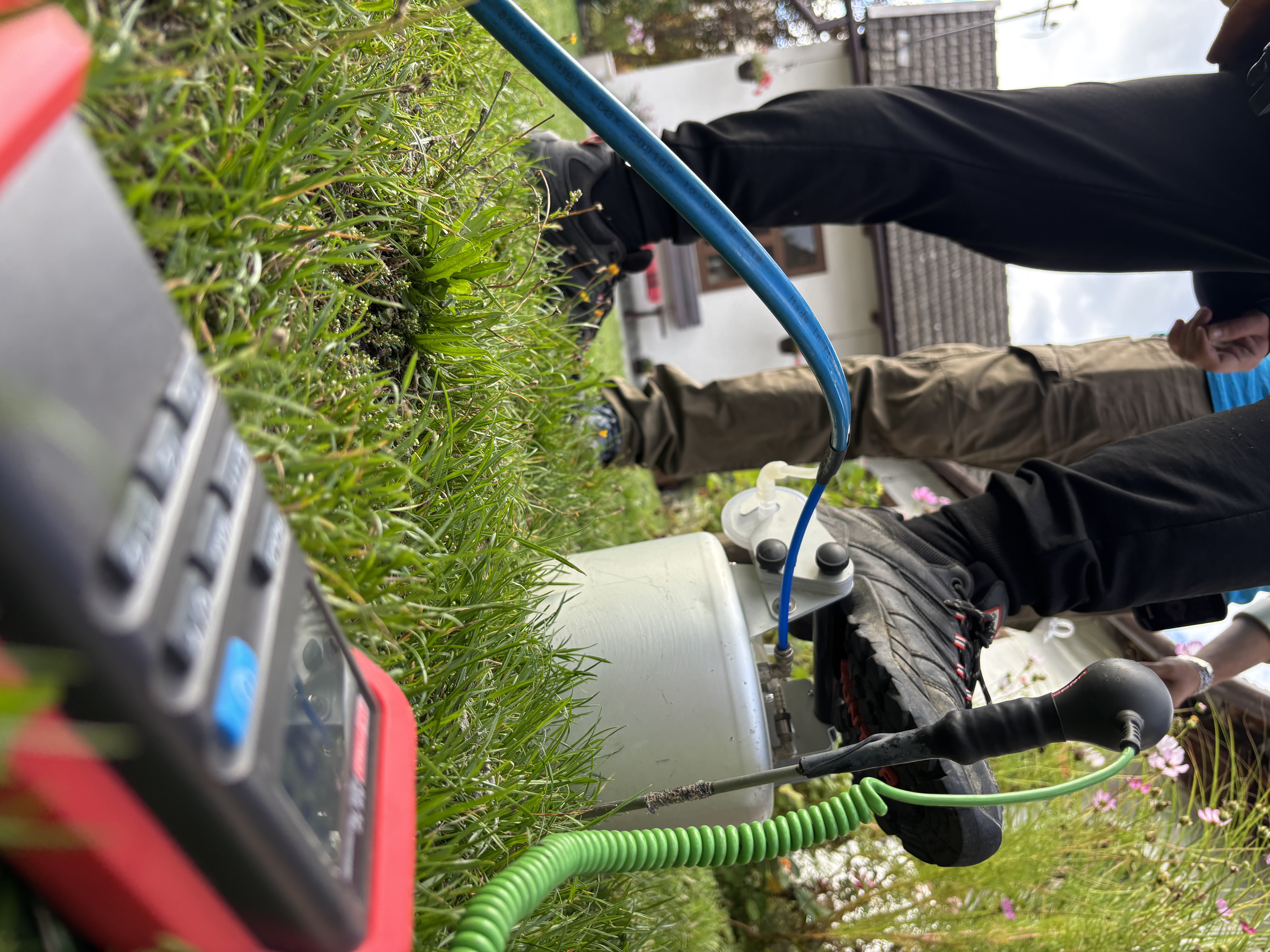
At first, the equipment seemed like the most complicated part. I soon realised, however, that field science depends just as much on patience, organisation and carefully repeating measurements.
One of our main study areas was the Hanko Valley, close to an abandoned drilling. We created a measurement grid by placing flags about every five metres. At each point, we measured CO₂ flux and soil temperature and recorded the GPS coordinates. Moving systematically from one point to another made me understand how scientific data are built. One measurement may tell us very little, but hundreds of measurements can reveal patterns that would otherwise remain invisible.
It also changed the way I looked at the landscape. Places that seemed completely ordinary sometimes showed unexpectedly high CO₂ concentrations. After a while, I was no longer simply seeing a field, a spring or an abandoned drilling site. I started wondering what might be happening underneath.
Over five days, we collected almost 200 measurements in the Hanko Valley and another 100 in the centre of Covasna. Our preliminary results indicated that the investigated areas release around four tonnes of CO₂ from the soil each day!
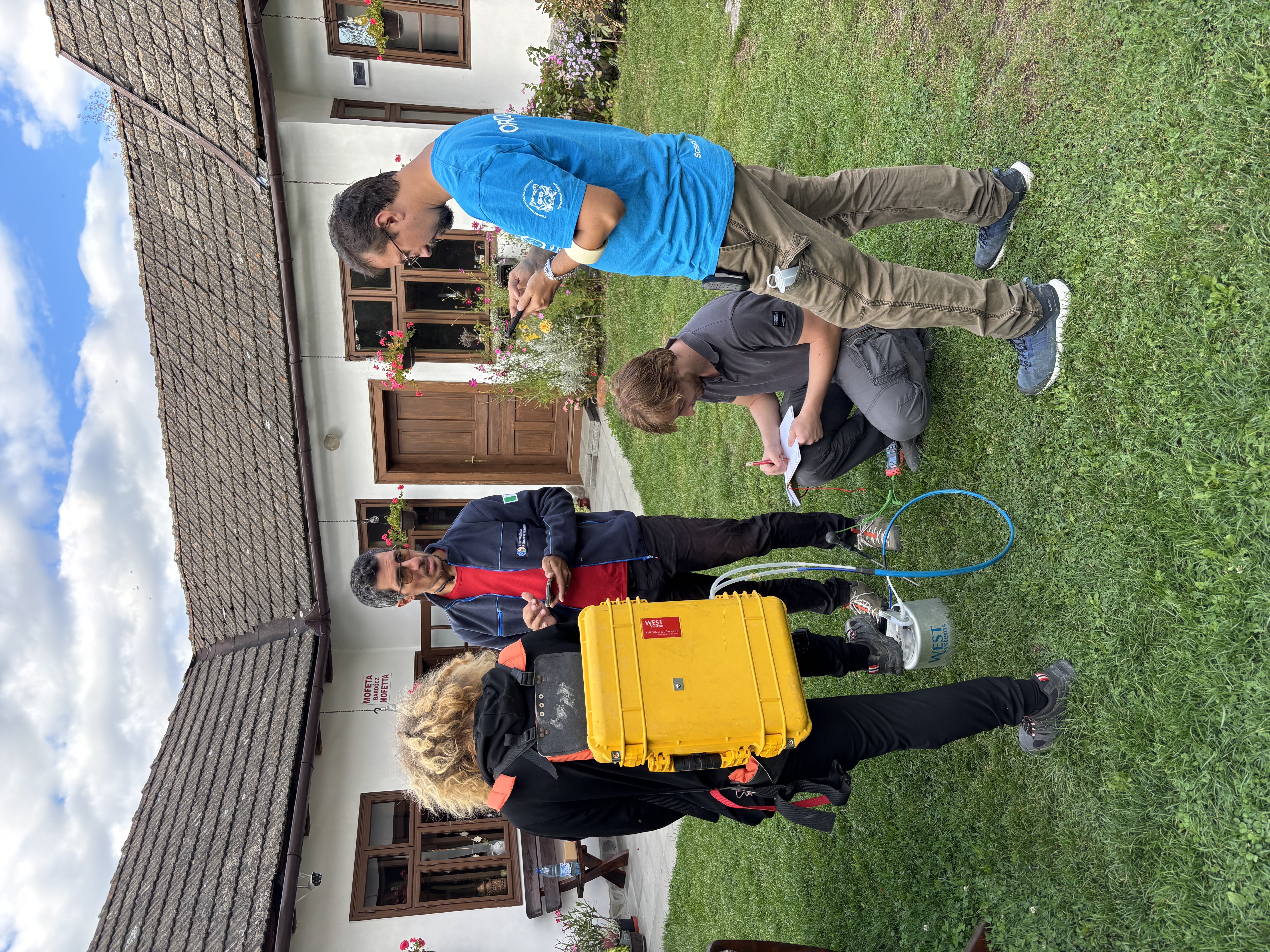
That was one of the moments when the scale of what we were studying became clear to me. CO₂ escaping from the ground is invisible, yet hundreds of individual measurements can show that tonnes of gas are reaching the surface every day.
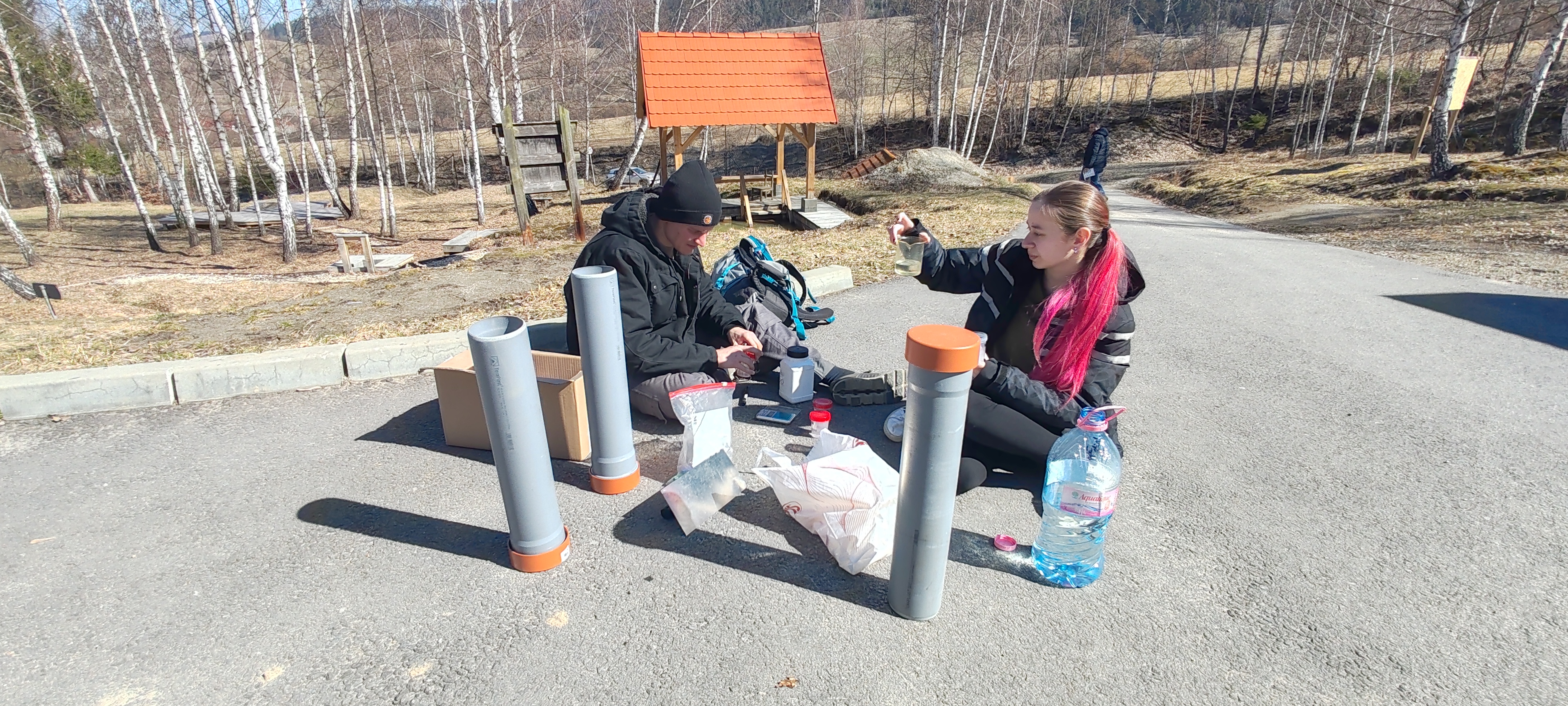
Also during this work we figured out by brainstorming, how to measure the first time also the flux of a mofetta, which we named the “Tamburello-Ionescu method”.
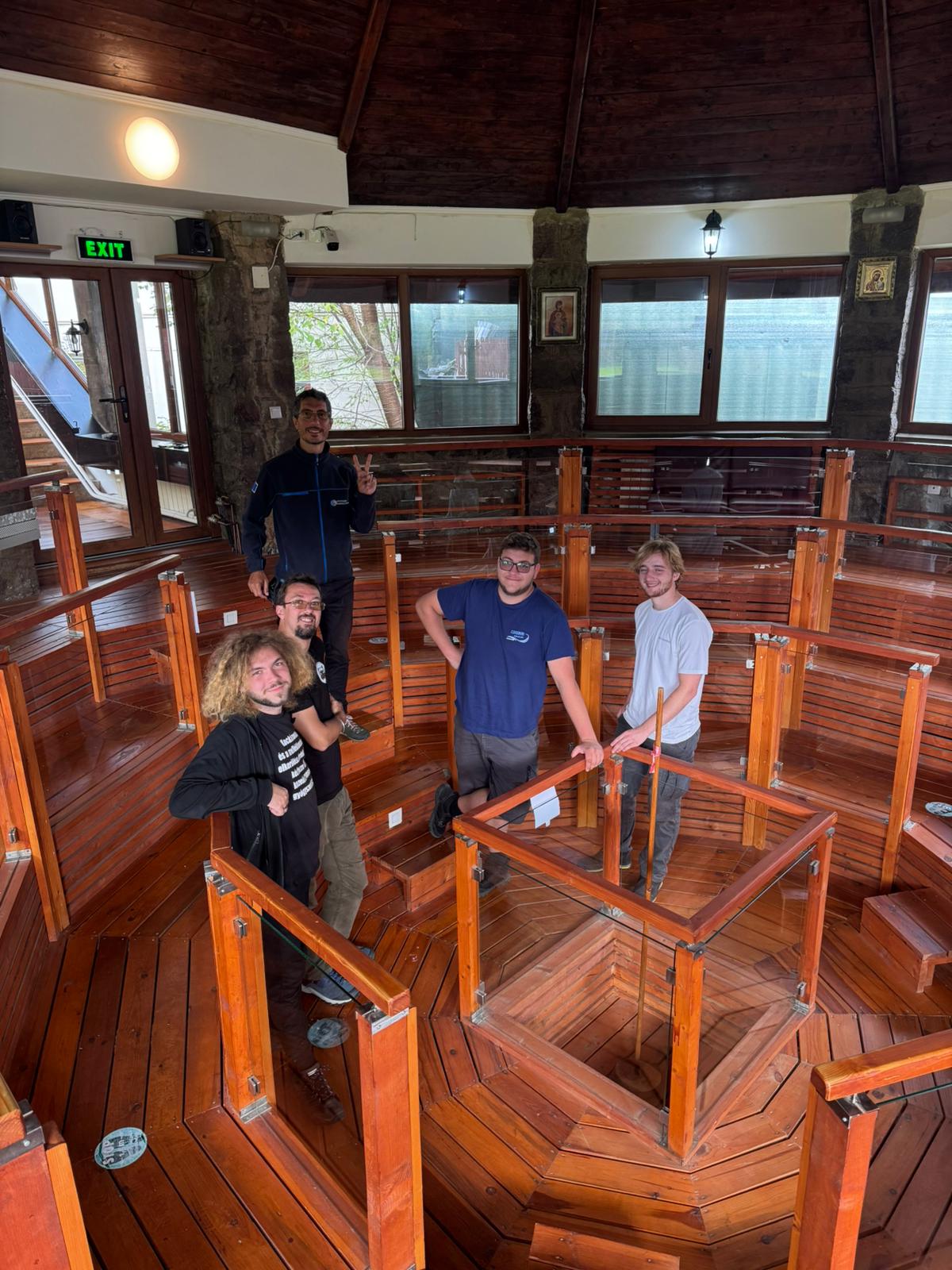
Still, the most important thing I took away from the field trip was not a particular number or measurement. It was understanding what research actually feels like.
Before this experience, scientists seemed like people who somehow already knew the answers. I came to realise that science works much more through curiosity, discussion and questions. Being a scientist does not mean knowing everything. Quite the opposite: research often begins by recognising what you do not know and then trying to find a way to answer it.
During those days in Covasna, I learned how to make measurements, collect data, work systematically, question unexpected results and to brainstorm. More importantly, I began to understand how researchers think.
By the end of the fieldwork, I was no longer simply following the team and watching what they were doing. I was taking measurements, placing flags, recording data, asking questions and trying to understand the patterns that were emerging.
Perhaps that is where my own journey into research really started.